Sustainability is no longer a buzzword. It is a baseline.
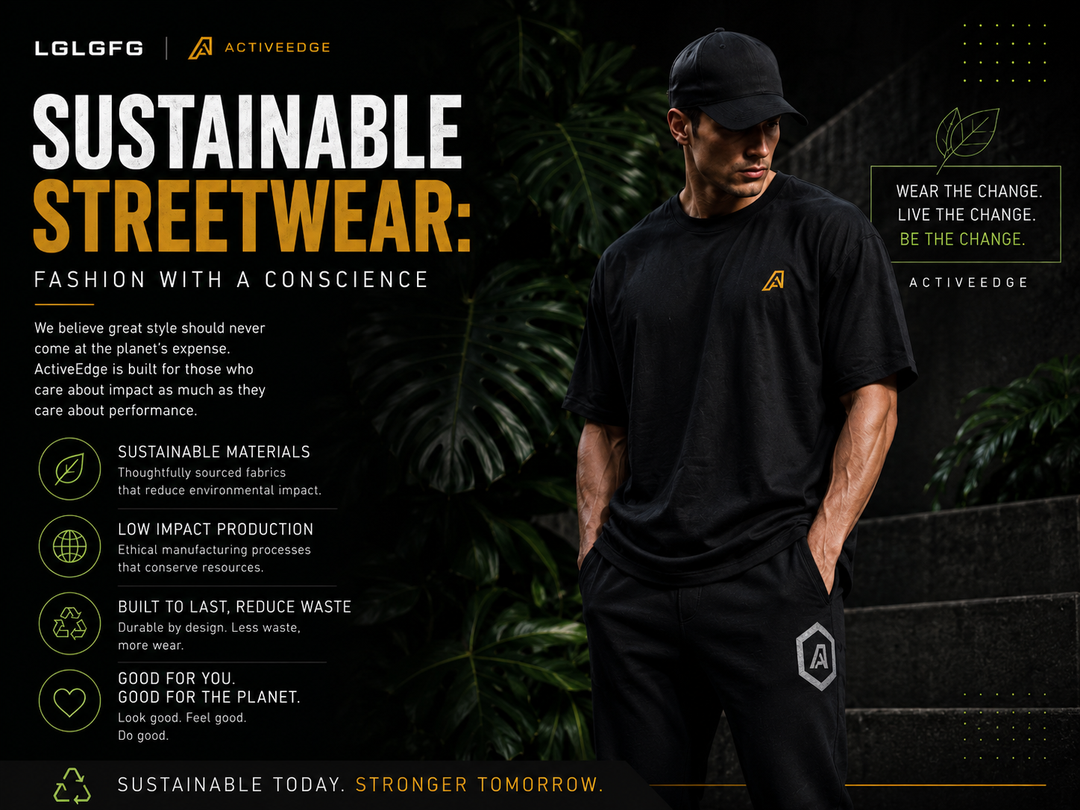
Building eco-conscious materials and practices into a streetwear label is not only good for the planet. It connects with a generation of buyers who care where their clothing comes from and how long it lasts. The most considered streetwear treats durability and responsibility as part of the same idea. You can see that thinking across the LGLGFG collection.
Why Material Choice Sits at the Centre
Sustainability in apparel starts with the fabric.
Recycled fibres, organic cotton and considered synthetic blends cut the environmental load of a garment before it ever reaches a wardrobe. Within ActiveEdge, EcoBlend integrates recycled fibre structures into the build, so the performance properties hold while the material footprint comes down. It is the kind of decision that does not announce itself but changes the whole equation.
Durability Is a Sustainability Strategy
The most overlooked part of sustainable clothing is how long it lasts.
A garment built to hold its shape, resist pilling and survive repeated washing simply gets replaced less often. That is a quieter form of sustainability, and it sits at the centre of how premium apparel is built. The longer a piece stays in rotation, the lower its real cost to the planet. A piece like the Volt Sleeveless Hoodie is built to that standard, made to stay in the wardrobe rather than cycle out of it. It is the same standard behind Premium men's activewear: why most looks cheap and the pieces that do not.
Considered Production Over Volume
Fast fashion runs on volume. Considered labels run on intent.
Producing thoughtfully, in lines designed to last rather than turn over each season, reduces waste at the source. That approach asks more of the design and the construction, but it produces clothing worth keeping. The best sellers reflect that, built to stay rather than to be cycled out.
Connecting With an Eco-Conscious Community
Sustainable streetwear is also a conversation.
Buyers increasingly want to understand the choices behind a garment. Being open about materials, construction and longevity builds a relationship rather than a transaction. That transparency is part of how a modern label earns trust and keeps it.
Where Sustainable Streetwear Is Heading
The direction is clear. Recycled materials become standard rather than a selling point. Longevity becomes the expectation. And the gap between technical apparel and responsible production keeps closing.
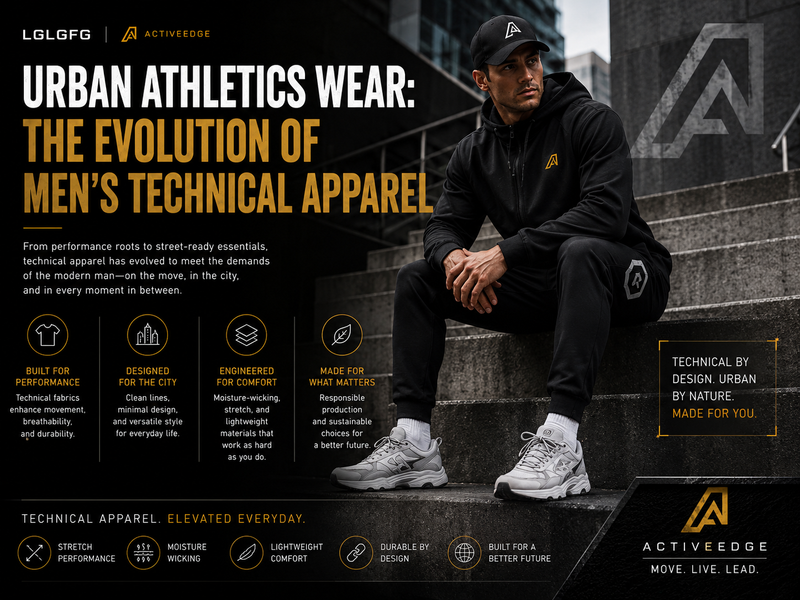
Urban Athletis Wear is built in that space. Clothing made to last, designed with intent, worn with presence. For the wider category context, read the new standard in technical apparel
FAQs
What makes streetwear sustainable?
A combination of responsible materials, like recycled and organic fibres, and durability. A garment built to last gets replaced less often, which is one of the most effective forms of sustainability. See the standard across the collection
What is EcoBlend?
Part of the ActiveEdge system. It integrates recycled fibre structures into the fabric so the performance holds while the material footprint comes down.
Does sustainable streetwear cost more?
Considered production can carry a higher upfront cost, but pieces built to last hold value over time because they stay in rotation rather than being replaced each season.
How does durability connect to sustainability?
A garment that keeps its shape and survives repeated wear simply lasts longer, which lowers its real environmental cost. It is the same standard behind premium activewear that holds up Premium men's activewear: why most looks cheap
Keep Reading
The evolution of technical apparel
Inside ActiveEdge Technical Fabric
Premium men's activewear: why most looks cheap