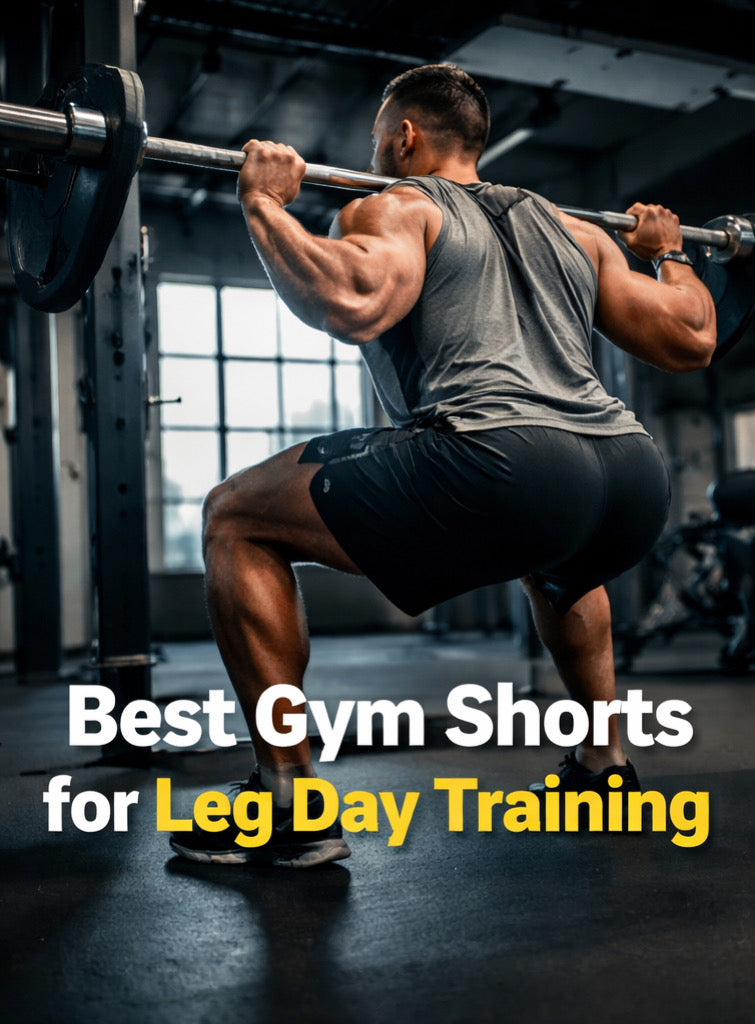
Leg day exposes weak training gear instantly.
Heavy squats, lunges and explosive lower-body work demand mobility, breathability and durability all at once. Shorts that feel fine through a light session tend to fail when the intensity climbs. Too tight and they restrict. Too loose and they ride up mid-squat. Cheap fabric traps sweat and turns uncomfortable halfway through.
If you train seriously, your gear should support the work rather than distract from it. The LGLGFG performance range is built with that in mind.
Why Leg Day Asks More of Your Gear
Lower-body training places unique demands on clothing.
Squats, lunges, Romanian deadlifts and step-ups move the hips and legs through far deeper ranges than most upper-body work. Shorts without enough flex pull against the legs and make the whole session harder than it needs to be. Shorts built for it, like the Phantom Shorts, give the room those movements need.
Stretch Is the First Thing That Matters
Stretch is the single most important feature in training shorts.
Through deep squat and lunge positions, the hips travel a long way. Fabric that does not give pulls tight and restricts the movement. Stretch materials move with the body instead of resisting it, which protects mobility and helps hold proper form under load.
Better mobility improves squat depth, range of motion and comfort through heavy sets. The Phantom Shorts are built around exactly that kind of give.
Breathability Through Heavy Sets
Leg day generates a lot of heat.
Compound lifts recruit large muscle groups and raise body temperature fast. Thick or poorly ventilated fabric traps that heat and makes the session harder. Breathable construction lets air move through the material and helps regulate temperature when the work gets intense.
Moisture Control Keeps Shorts Light
Sweat build-up is one of the biggest issues with low-quality workout gear.
Standard fabric soaks up sweat and holds it, so the shorts get heavier and clammy as you go. Performance fabric wicks moisture across the surface so it evaporates faster, which keeps the shorts lighter and more comfortable through the full session. The same fabric logic runs through gym clothes you can wear casually.
Getting the Length Right
Cut affects performance more than most lifters expect.
Longer shorts can bunch and restrict around the knees during deep squats and lunges. Shorter athletic cuts usually allow cleaner movement. Plenty of lifters land on mid-thigh or above-the-knee lengths because they balance coverage with mobility, and they hold up better through explosive, dynamic work.
What a Good Pair Brings Together
Quality training shorts combine a few things at once. Stretch fabric for mobility. Breathable construction for airflow. Lightweight materials for comfort. A secure waistband for stability. Durable stitching for repeated sessions.
When those line up, the shorts become part of the performance rather than a distraction. The right gear should never slow you down. It should simply hold. Browse the full training collection .
Look Good. Live Good. Feel Good.
FAQs
What should I look for in gym shorts for leg day?
Stretch for deep ranges of motion, breathable fabric for heat, a secure waistband and a cut that allows movement. The Phantom Shorts cover all of it.
What length is best for squats and lunges?
Mid-thigh or above-the-knee cuts usually work best. They balance coverage with the mobility deep lower-body movements need, without bunching at the knee.
Why does fabric matter so much on leg day?
Compound lifts raise body heat fast and produce a lot of sweat. Breathable, moisture-wicking fabric keeps shorts light and comfortable through heavy sets instead of getting heavy and clammy.
Can leg-day shorts be worn casually too?
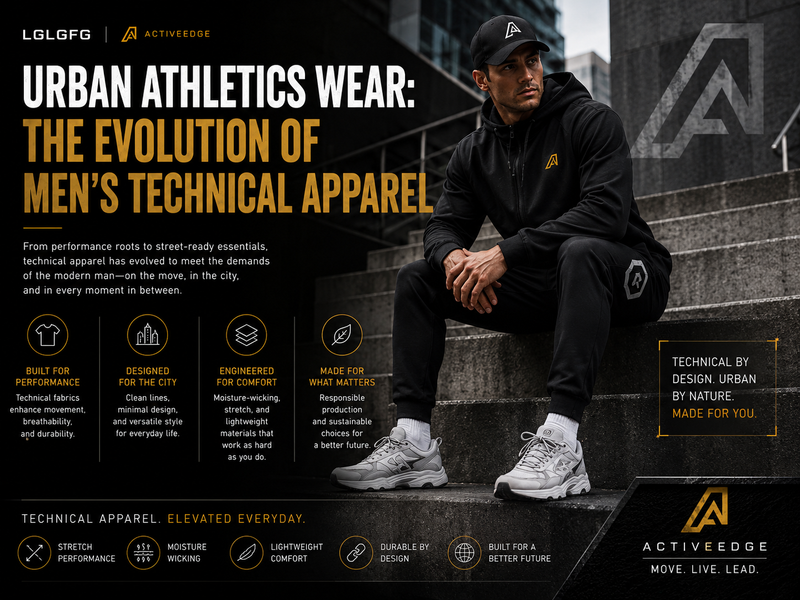
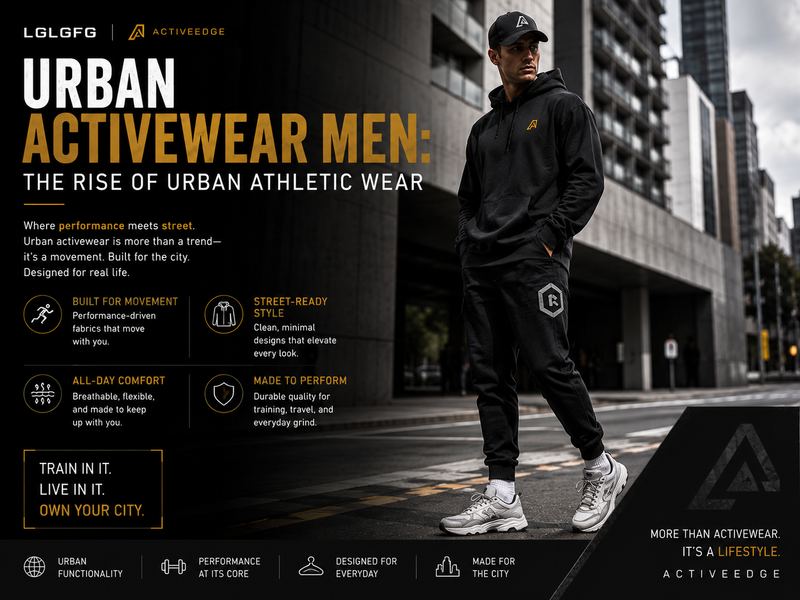
Yes, when the cut and colour are clean. That crossover is the basis of Urban Athletis Wear, built to hold in and out of the gym.
Keep Reading
Gym clothes you can wear casually
Inside ActiveEdge Technical Fabric
Premium men's activewear: why most looks cheap